January 12, 2026
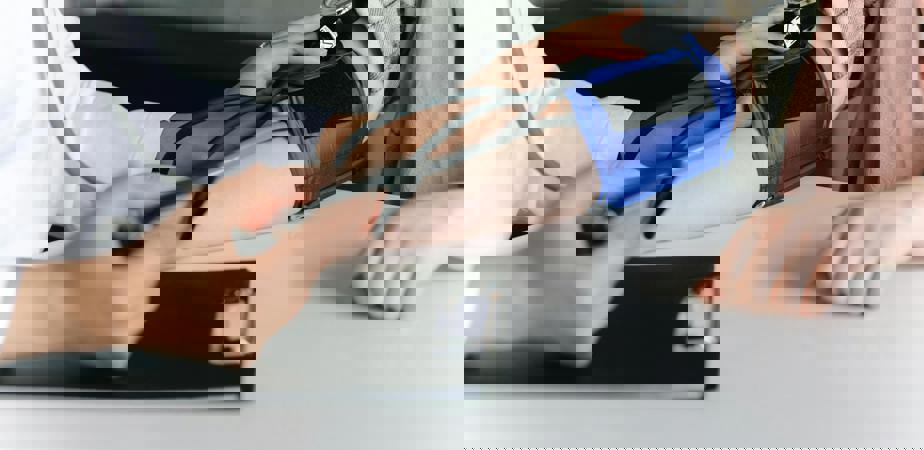
Hypertension, commonly known as high blood pressure, remains one of the most common chronic conditions in the U.S. and globally. According to the American Heart Association (Association), nearly 122 million U.S. adults—about 47%—have hypertension (defined as ≥130/80 mm Hg or taking medication). The American Medical Association (AMA) and CDC report similar figures: 47.7% of adults aged 18 and older have hypertension, with prevalence increasing sharply with age, 71.6% among those 60 and older. Only about 1 in 4 adults with hypertension have it under control Hypertension Control Change Package | Million Hearts®. Hypertension is a major risk factor for heart disease, stroke, kidney disease, and cognitive decline, making early detection and management critical. The 2025 American Heart Association/American College of Cardiology guidelines reaffirm the blood pressure categories introduced in 2017. 2025 AHA/ACC/AANP/AAPA/ABC/ACCP/ACPM/AGS/AMA/ASPC/NMA/PCNA/SGIM Guideline for the Prevention, Detection, Evaluation and Management of High Blood Pressure in Adults: A Report of the American College of Cardiology/American Heart Association Joint Committee on Clinical Practice Guidelines | Circulation.
Blood pressure categories:
- Normal: <120/80 mm Hg
- Elevated: 120–129/<80 mm Hg
- Stage 1 Hypertension: 130–139 or 80–89 mm Hg
- Stage 2 Hypertension: ≥140 or ≥90 mm Hg
With key updates including:
- Earlier treatment initiation if lifestyle changes fail within 3–6 months.
- Integration of the American Heart Association PREVENT™ (PREVENT™) risk calculator for personalized cardiovascular risk assessment.
- Focus on brain health: Controlling blood pressure (BP) early reduces dementia risk.
- Expanded treatment options, including GLP-1 agonists for patients with obesity.
The PREVENT™ calculator estimates 10-year and 30-year risk for cardiovascular disease (CVD), including heart attack, stroke, and heart failure. It’s the first tool to incorporate cardiovascular, kidney, and metabolic health factors, offering a more comprehensive risk profile than previous calculators.
Who can use it? Adults aged 30–79 without known CVD.
Inputs: Age, blood pressure, cholesterol, BMI, diabetes status, kidney function, and optional factors like HemoglobinA1C (HbA1c) and social deprivation index.
Why it matters: Helps fitness professionals, clinicians, and patients make informed decisions about lifestyle changes and medications.
Blood Pressure should be monitored consistently, according to these guidelines.
- Adults with normal BP: At least every two years during routine visits.
- Adults with elevated BP or risk factors: Annually. Home monitoring is recommended.
- Diagnosed hypertension: Home monitoring with daily checks are recommended. This is especially important when medication is started and when the health care professional is adjusting medication with the patient or client.
The patient or client should have their home monitor validated with their health care professional at least annually.
Impact of Exercise on Blood Pressure
Regular physical activity is one of the most effective non-drug strategies to lower BP.
- Association recommendation: At least 150 minutes/week of moderate-intensity aerobic activity (for example, brisk walking) or 75 minutes/week vigorous activity, plus muscle-strengthening exercises.1
- Effect: Routine exercise can reduce systolic BP by 5–7 mm Hg and diastolic BP by 3–5 mm Hg, comparable to some medications.2
- Mechanism: Improves vascular function, reduces arterial stiffness, lowers cholesterol, and aids weight control.
Accurate BP Monitoring: Best Practices
- Use validated, automated upper-arm devices.
- Positioning: Sit with back supported, feet flat, arm at heart level.
- Avoid errors: No talking, empty bladder, no cuff over clothing.
- Take multiple readings and average them for accuracy.
- Fitness professionals: Measure BP at rest before and after exercise for those who have hypertension or risk factors for heart disease.
- Encourage the client to monitor their blood pressure at home consistently 1-2 times per day and to record their BP readings.
- The American Heart Association has a free BP log that fitness professionals and their clients can download. My Blood Pressure Log
- Refer clients with abnormal readings to health care providers.
Hypertension is widespread, often silent, and dangerous. The updated guidelines and tools like the PREVENT™ calculator emphasize early detection, accurate measurement, lifestyle changes, and timely intervention. Whether you’re a health care provider or fitness professional, your role in monitoring and promoting heart health is vital. See the full set of updated guidelines here.
1heart.org
2acsm.org